Get Connected!

Come and join our community. Expand your network and get to know new people!

Or sign in with:

   
No pages created yet
View All Pages

A board can turn from comfortable to stranded in a single bad session when every dollar goes into scattered landmarks. I learned to treat construction as a timing decision, not a button to press whenever cash appears. Dice from album progress, including rewards tied to Monopoly Go Stickers , are far more useful when they support a planned board finish instead of rescuing an unfinished one.Build One City Before Chasing the NextThe reliable approach is to push one board until its landmarks are complete, then collect the completion rewards and move on. Partial upgrades across several boards feel productive because the numbers keep rising, but they leave you exposed to shutdown repairs and deny you the bigger payout loop from finishing a city. Earlier boards are usually cheaper, so closing them out can be a sensible recovery plan after a rough cash drain.My usual rule is simple: spend aggressively only when I can still absorb a repair or two afterward. That reserve matters more during active tournaments, when it is tempting to roll high and rebuild immediately after every hit.Building styleBest useMain riskSingle board focusSteady net worthShort cash pressureSpread upgradesQuick visual progressDelayed completion rewardsThe difference is most noticeable after longer play sessions. A completed board gives a clear stopping point, while spread spending encourages one more upgrade, then one more roll, until the cash pile disappears. Players chasing a leaderboard burst may accept that risk, but it is a poor default for daily progression.Use Milestones as Spending WindowsBefore a major building push, check Quick Wins, tournament milestones, and any event rewards already within reach. Cash alone is not the reason to upgrade. The stronger moment is when an upgrade helps convert available dice into more event progress, or when a completed board gives enough breathing room to keep playing without buying back momentum.

  • Finish cheap landmarks when they put a board completion reward within reach.
  • Keep enough cash to repair damaged landmarks before starting expensive upgrades.
  • Save high-multiplier rolls for scoring events rather than using them to fund routine building.
  • Do not upgrade simply because a temporary event makes cash feel abundant.
The Quiet Value of Small Daily ProgressQuick Wins are easy to dismiss because each task looks minor compared with a tournament prize. In practice, they smooth out the gaps between big events. Players who log in briefly, collect the available cash, and complete a few low-risk actions often maintain a healthier building rhythm than players who only return for flashy rewards. It is less exciting, but it prevents the familiar cycle of emptying resources, waiting, and falling behind.Sticker collecting also fits this patient approach. A missing set can become more valuable than another rushed landmark level when it is close to producing dice or cash. If a trade helps complete an album set, checking cheap Monopoly Go Stickers can make sense, provided the reward supports your next board finish rather than another uncontrolled spending spree.

Read More...

Plenty of Monopoly Go players know this scene: you log in, burn a decent dice stack chasing one tournament milestone, then close the app with less cash, no useful stickers, and a board begging for repairs. Mid-July is rough because The Simpsons season still has plenty on the calendar, yet every bad roll feels urgent. A missing album card can turn Monopoly Go Stickers into the thing you keep thinking about while your dice count quietly collapses. Fair enough. The answer isn't grinding longer. It's refusing to roll when the board gives you nothing back.
 Make Daily Rolls Actually Matter Use short login windows. Collect daily rewards, clear Quick Wins, check official community drops and partner reward posts, then leave unless an event is paying out. Let natural dice regeneration work while you're away instead of sitting at the cap and wasting recovery time. Daily reset matters too-finish easy tasks before it flips.
 

  1. Claim daily rewards and complete Quick Wins before spending dice on anything else.
  2. Check official event posts and community reward links once per day, not every hour.
  3. Hold album duplicates until you know which milestone or set completion can return the biggest dice payout.
  4. Keep enough cash for landmark repairs before starting a long upgrade streak.

Big Dice Stacks Cause Bad Decisions The obvious plan is simple: save dice, wait for a tournament or banner event, then push hard while rewards overlap. That part is sound. The trap is treating every leaderboard as a must-play moment. Players see a few early points, raise their multiplier, and spend hundreds of rolls landing on low-value spaces while someone else has already built an unreachable lead. Don't chase a rank just because you're close.
 Set a stop point before you roll. Check the event rewards first, then aim only for the next useful milestone-dice, sticker packs, or cash when your landmarks need it. If the required points jump and the prize doesn't, stop. Save the rest for a period when a board event, tournament, and useful milestone reward line up. That's when a dice buffer becomes progress instead of a flashy number.
 Cash Now Versus Progress Later Solo play is reliable. You control the pace, collect routine rewards, and can protect your dice. Partner activities can pay much better, but only when teammates actually contribute. Some people don't care about tracking net worth. Still, checking it once a week tells you more than one lucky session ever will. If your money vanishes on rushed builds and repairs, slow down. Build cash first, upgrade when you can finish meaningful chunks, and treat partner events as an extra reward lane-not your only plan.
 Three Checks Before You Roll "Should I spend dice on this tournament?" Only if the next milestone is useful and the points are realistic. "Do I build now or wait?" Wait when repairs would leave your bank empty. For the rest of The Simpsons season, do three things: collect the daily stuff, keep a dice reserve, and spend only during stacked rewards. If an album gap is blocking a major completion, browsing Monopoly Go buy Stickers can be one option, but don't let one card wreck your whole plan.

Read More...

There's a moment in Diamond Dynasty when your older Bellinger card barrels a righty, then gets exposed by a nasty left-on-left matchup the next inning. That's the frustration this release is built to erase. The All-Star Game itself went to the American League, but National League MVP Cody Bellinger got the card players actually care about. Before burning your MLB 26 stubs on a shiny 99, check what this version changes for your roster.Start With the Collection PathThis Bellinger is the featured reward in the All-Star Collection, so don't treat him like a random pack pull and panic-buy on day one. Check the collection screen first, count the cards you already own, then compare that gap with the price of buying him outright. The card has four usable spots-CF first, plus RF, LF, and 1B-which changes the math if he can replace two different players on your bench.

  1. Open the All-Star Collection before selling duplicate program cards.
  2. Count only cards you can lock in without breaking another active collection.
  3. Test Bellinger in Conquest or Play vs. CPU before moving your best outfielder.
  4. Keep one lineup slot flexible for his first-base secondary position.
The Old Bellinger TrapOn paper, a 99-rated All-Star MVP should be an automatic center fielder. Most players will see the overall, remember Bellinger's smooth swing, and swap him in without another thought. The problem is that previous high-end Bellinger cards already hit well against righties, so a few extra good swings don't justify rebuilding your team. People also keep forcing the older versions through left-handed pitching, then blame PCI placement when the matchup is the real issue. This MVP card matters because its contact and power are balanced against both LHP and RHP. Bat him in the middle of the order for a few games, face both pitcher types, and watch the at-bats rather than just the box score. If he's producing against lefties while covering CF, RF, LF, or 1B, he's earning the slot.Center Field Isn't MandatoryThe cleanest defensive setup puts Bellinger in center with Byron Buxton and Jordan Walker on the corners. That group has the range to chase balls into gaps and the arm strength to make runners think twice about taking an extra base. It's not just highlight-reel stuff. A slow throw from the warning track can turn a routine double into the run that loses a Ranked game. But if your outfield is already loaded, move Bellinger to first base. His boosted reaction and arm play best outside, sure, yet his bat is too complete to park at DH behind a glove-only concern.Buy Him or Build Him?Is he a must-have? For players using an earlier Bellinger, pretty much-this is a real upgrade, not a tiny rating bump. If your center field and first base are already locked, Fair enough, don't gut the club just for the name. First check your collection total, test his lefty splits, and decide which position he replaces; then use MLB The Show 26 Stubs only if the remaining gap makes more sense than the grind.

Read More...

High-Torment farming in Diablo 4 can fall apart when you spend more time crossing empty ground than killing elites. Season 14 pushes players toward a tighter loop: clear Pandemonium Ruptures for Fragments and experience, then use the keys and boss materials that follow to keep the loot chase moving. Before worrying about perfect Diablo IV Items , make sure your build can clear clustered packs quickly and survive unexpected elite damage without constantly retreating to town.Ruptures Reward Speed, Not Cautious ClearingPandemonium Ruptures work best when you treat every tear as a short burst of action. Close tears as soon as you reach them, then move on instead of hanging around for a few stragglers. The reduced standing time makes this activity much less forgiving for slow single-target setups, while the higher elite density gives wide-area damage builds plenty to work with. Whirlwind-style Barbarian setups and Lightning Storm Druids fit naturally because they can keep dealing damage while moving. A build does not need to be meta, but it needs reliable area coverage, movement speed, and enough sustain to avoid losing momentum.Use Deathtoll Chambers to Feed the Boss GrindDeathtoll Chambers are the cleaner option when your goal is progression rather than raw experience. Their compact, single-room format removes the usual dungeon downtime and puts the focus on the boss encounter. At higher Torment levels, Superior Lair Keys are the prize worth chasing because they create more Lair Boss attempts, which means more chances at Mythics, valuable loot, and additional Fragment income. Don't burn through every key the moment it drops if your character still struggles with the boss damage check. A failed run costs time, consumables, and concentration; upgrading a weak weapon, fixing resistances, or adjusting your defensive aspects first is usually the better call.Build a Loop Instead of Farming One Activity ForeverThe efficient rhythm is Deathtoll Chambers into Lair Bosses, followed by Pandemonium Ruptures when you need Fragments, experience, or a break from boss-focused gameplay. Seasonal Reaper encounters can add more Fragment income when they appear, but they should support the loop rather than dictate it. Players often make the mistake of stacking only damage for Ruptures, then wonder why higher Torment bosses feel miserable. Cooldown reduction, mobility, and capped resistances do more for consistent farming than a tiny paper-DPS increase. Shared War Plans and seasonal reputation are also easy to neglect, yet both help turn routine clears into meaningful account progression.Diablo 4 Season 14 rewards players who keep their resources circulating instead of chasing one lucky drop for hours. For those who prefer a faster route to gearing, U4GM operates as a professional platform for purchasing game currency and items, and you can buy u4gm Diablo IV Items to support a specific loadout while keeping your farming time focused on the content you enjoy.

Read More...

Урок 17.

ЧСЛ Любимая классика 1.0


Read More...

НОЯБРЬ

ФОРТЕПИАНО

СЛУШАНИЕ МУЗЫКИ И ЕЁ ИСПОЛНЕНИЕ

Ознакомление на Р5 - П.Чайковский «Арабский танец» 10 тактов

youtu.be/wTnZ6lr2kKY

Read More...

Татьяна Ивановна, здравствуйте!
Добро пожаловать в Академию Софт Моцарт!

Спасибо Вам за приветственное слово!

Хочу поправить Вас: Софт Моцарт - это не методика, это система.
Методика — это конкретный набор приёмов, способов и принципов, с помощью которых педагог решает определённую педагогическую задачу. То есть это уже не общая теория, а практическое руководство: как именно выстроить урок, какие упражнения дать ученику, как подать теорию, чтобы она усвоилась, как скорректировать посадку и проч.. Методика отвечает на вопрос: «Как сделать так, чтобы ученик освоил этот навык?»

Система — это более масштабная, целостная структура, каркас, который задаёт стратегию всего обучения. Она определяет, какие цели ставить, какие этапы проходить, в какой последовательности осваивать материал, как связывать разные аспекты (технику, теорию, музыкальное мышление). Система отвечает на вопрос: "Как выстроить процесс в целом, чтобы ученик последовательно двигался от простого к сложному и в итоге развил музыканта?"

Проще сказать: Методика — это "инструмент" для решения конкретной задачи. Система — это план, стратегия всего обучения. Система задаёт логику, по которой выстраивается весь процесс.

Желаю Вам плодотворного и интересного обучения.

С уважением, Можайская Г.В.
педагог Софт Моцарт

Read More...

juliguli replied to the topic 'Julia Kellogg, Michigan, USA' in the forum. 2 days ago

My little cheerleader as I been working through the modules


And some pictures of our little class


Here is us doing some music appreciation (they did this to the surprise symphony)


Read More...

НОЯБРЬ

РАЗВИТИЕ ТЕХНИКИ

Гамма ми минор натуральная в одну октаву двумя руками.

youtu.be/F3QwSvLiVLQ

Гамма ми минор гармоническая в две октавы двумя руками.

youtu.be/1QJFoAsJnTQ

Гамма ми минор мелодическая в две октавы двумя руками.

youtu.be/znuKM5L-MMA

Трезвучия с обращениями в ми миноре двумя руками.

youtu.be/NQvnB8Rt6xk

Длинные арпеджио в ми миноре в две октавы двумя руками.

youtu.be/d6DNpPxep0o

Read More...

Практическое задание 3
Guess Key 


Read More...

Elena-Harchenko-vkontakte has a new avatar. 3 days ago

Злата Анатольевна, спасибо Вам за Ваш рассказ! 
Надеюсь, новые научные знания, полученные на курсе, непременно будут востребованы в Вашей педагогической деятельности.
Желаю Вам плодотворного обучения!
В добрый час!

С уважением, Галина Васильевна Можайская
педагог Софт Моцарт

Практическая работа №1 и 2 - зачёт.

Read More...

Практическая работа 2Сравнительный анализ программ обучения игре на фортепиано: Simply Piano, Flowkey, Skoove и Soft Way to Mozart1. Мотивационные качества

  • Simply Piano — выстраивает обучение как игру: очки, уровни, достижения, мгновенный доступ к поп-хитам. Отлично подходит тем, кто ищет «лёгкий старт» без погружения в теорию. ★★★★★
  • Flowkey — мотивирует через выбор любимых песен, видео с живым исполнением и режим ожидания, подстраивающийся под темп ученика. Меньше игровых элементов, но вдохновляет настоящей музыкой. ★★★★
  • Skoove — использует персонализированную обратную связь от ИИ, микро-уроки и наглядный прогресс. Геймификация умеренная, но поддерживает интерес. ★★★★
  • Soft Way to Mozart — мотивация строится не на баллах, а на реальных, измеримых достижениях: точный подсчёт ошибок, быстрое освоение произведений (дни вместо месяцев). Ребёнок или взрослый видит конкретный результат, что даёт глубокое ощущение прогресса без внешней соревновательности. ★★★
2. Интерактивные качества
  • Simply Piano — распознавание через микрофон или MIDI, падающие ноты, мгновенная обратная связь по ритму и высоте. Наглядно и просто. ★★★★
  • Flowkey — микрофон/MIDI, видео с двух ракурсов рук, подсветка нотного стана, режим ожидания верной ноты. ★★★★
  • Skoove — ИИ-анализ игры, рекомендации по темпу, зацикливание фрагментов, адаптивные подсказки. ★★★★
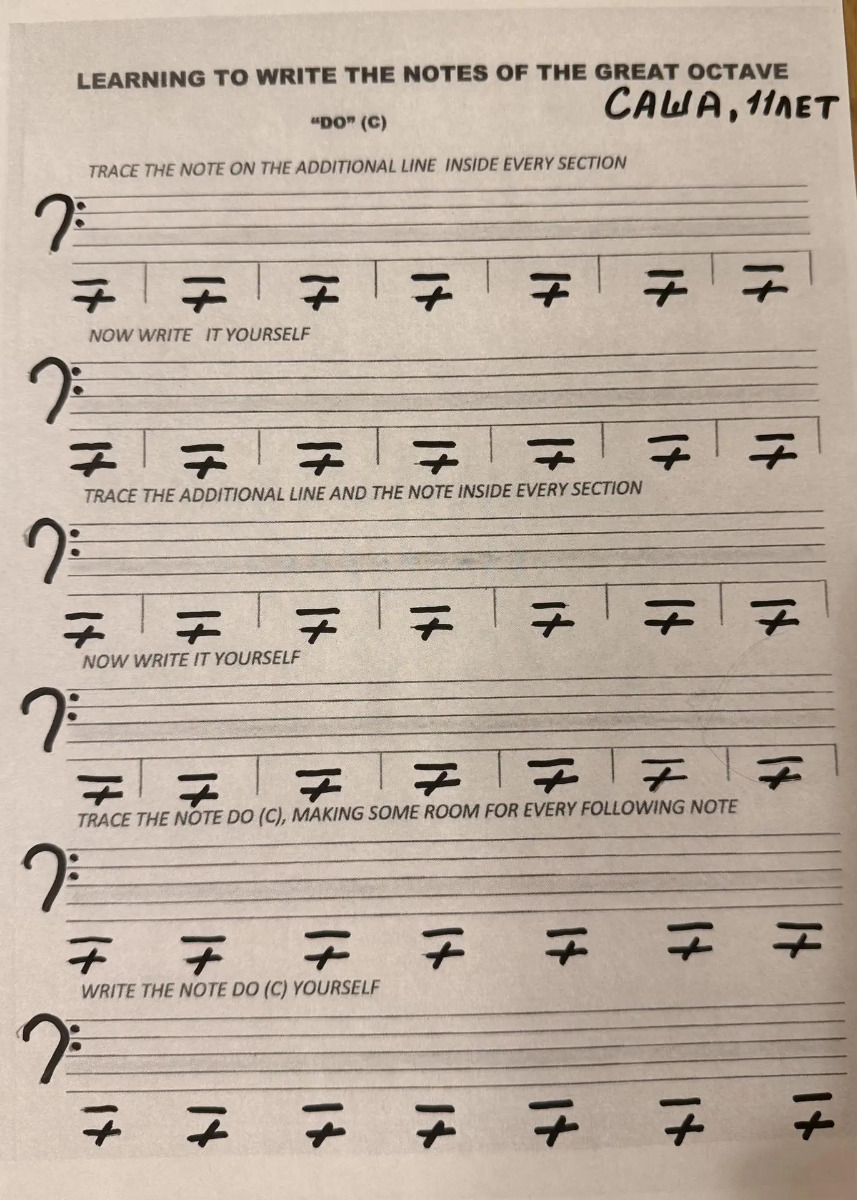
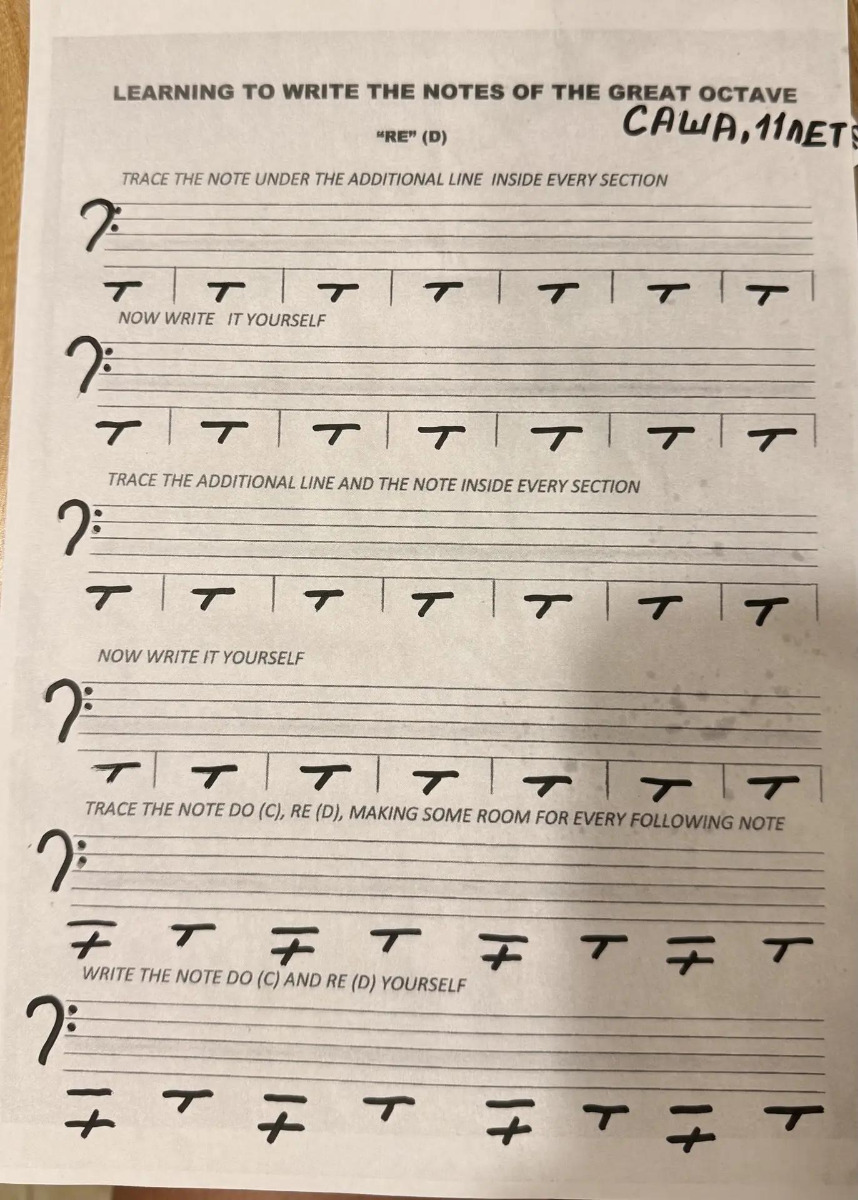
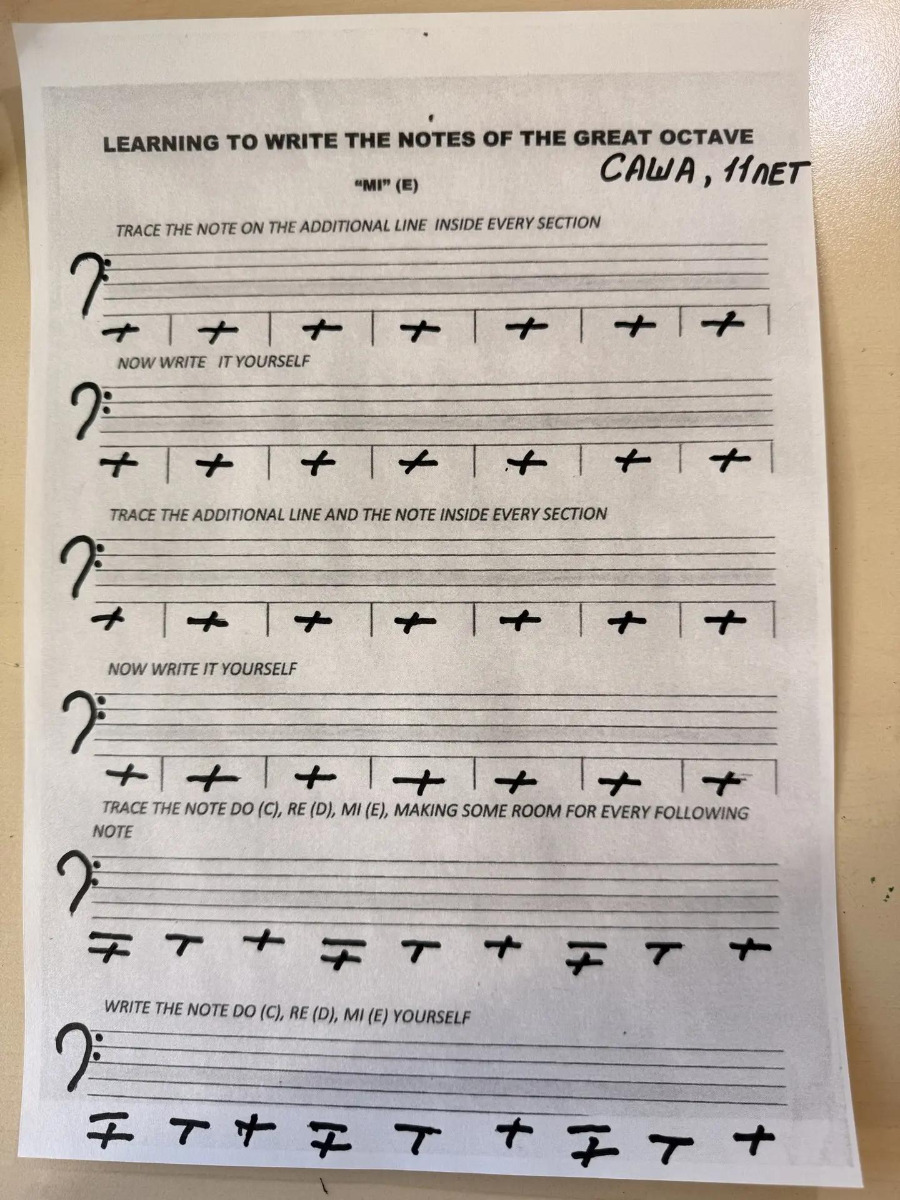
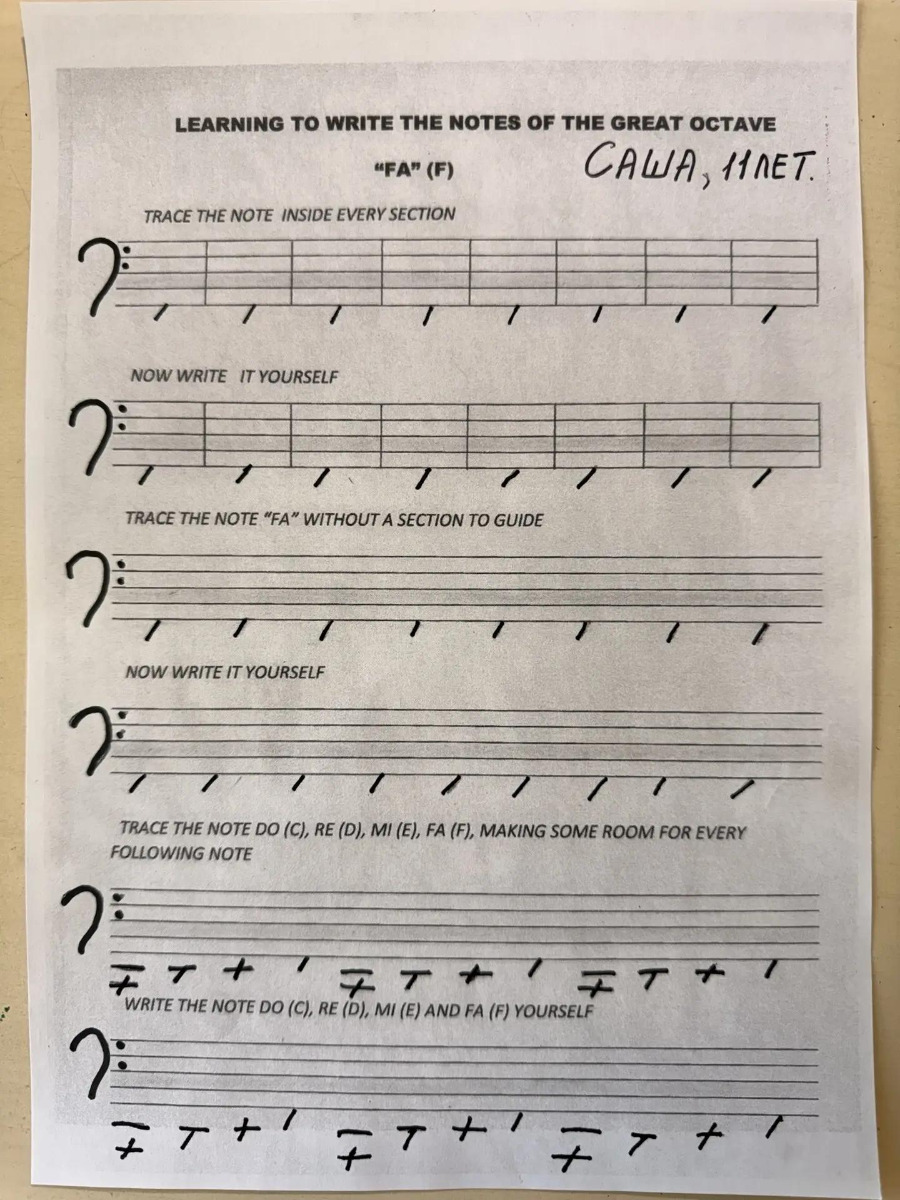
  • Soft Way to Mozart — предлагает принципиально иной уровень интерактивности. Вместо абстрактных знаков используется система визуальных символов-картинок (например, нота «До» выглядит как домик, «Ре» — как репка, «Ми» — как мишка). Это создает мгновенную ассоциативную связь. В сочетании с модулями Guess Key (изучение клавиатуры) и Gentle Piano™ (работа с нотным текстом) достигается максимальная визуализация связи «нота–клавиша». Требуется MIDI-подключение, зато каждая нажатая клавиша мгновенно отражается на нотном стане, делая процесс осязаемым даже для самых маленьких. ★★★★★
3. Научные качества
  • Simply Piano, Flowkey — коммерческие продукты, разработанные программистами. Систематические педагогические исследования и публикации в рецензируемых журналах отсутствуют. ★★
  • Skoove — имеет отдельные исследования эффективности, в том числе с участием университетов, однако они носят фрагментарный характер. ★★★
  • Soft Way to Mozart — опирается на многолетние научные исследования (Е.В. Хайнер и др.), публикации в педагогических изданиях. Метод базируется на теории поэтапного формирования действий, развитии слуха, чтения с листа и координации. Применяется в музыкальных школах как доказательная практика. ★★★★★
4. Доступность для начинающих «с нуля»: игра двумя руками с первого урокаГлавный вопрос, который встаёт перед любым человеком без подготовки: «Смогу ли я с первого занятия играть двумя руками по нотам в скрипичном и басовом ключах?»Скриншоты интерфейсов Simply Piano, Flowkey и Skoove показывают, что все эти программы, при всей их дружелюбности, предполагают у пользователя хотя бы начальное понимание нотной грамоты. Падающие ноты или нотный стан с подсветкой не объясняют, почему одна нота находится на первой линейке, а другая — на третьей. Без знания названий нот и их расположения на клавиатуре новичок вынужден либо зубрить, либо действовать наугад. Игра двумя руками в двух ключах сразу становится для него непреодолимым барьером: нужно одновременно следить за двумя строками, разными ритмами и ещё искать нужные клавиши.Soft Way to Mozart решает эту проблему системно. Вместо заучивания абстрактной теории используется язык зрительных образов. Символы-картинки (Домик, Репка, Мишка и т.д.) внутри нот на этапе знакомства с произведением превращают нотный текст в понятную инструкцию: каждая нота обозначена знакомым образом, а её положение на стане наглядно связано с конкретной клавишей. Благодаря модулю Gentle Piano™ ученик видит ноты скрипичного и басового ключей одновременно, а программа отслеживает правильность нажатий и даёт обратную связь по длительности. В результате игра двумя руками с первого урока становится реальностью, даже если человек никогда раньше не видел нот. Это не «облегчённый старт» через упрощённые мелодии одной рукой, а полноценное погружение в двухстрочную партитуру, но с поддержкой, снимающей страх перед неизвестными символами.Итоговый вывод
  • Simply Piano, Flowkey, Skoove — превосходные коммерческие продукты для быстрого вовлечения и развлекательного обучения. Их сила — в дружелюбном интерфейсе, геймификации и мотивации. Однако они требуют от новичка определённой музыкальной грамотности, что затягивает переход к игре двумя руками и ограничивает глубину обучения.
  • Soft Way to Mozart — не стремится развлекать баллами, а делает ставку на научно обоснованную методику и уникальную визуализацию. Благодаря замене сложных нотных знаков на интуитивно понятные символы-картинки и MIDI-интерактивности она снимает главный барьер для начинающего — необходимость предварительно изучать ноты. Это единственная система, позволяющая с первого же урока осмысленно играть двумя руками в двух ключах, не имея никакой подготовки.
Вывод: если цель — быстро получить удовольствие от знакомых мелодий, можно начать с Simply Piano или Skoove. Если же нужно системное развитие навыков, глубокое понимание нотного текста и игра двумя руками с самых первых шагов, Soft Way to Mozart оказывается не просто дополнением к занятиям с педагогом, а полноценной, научно выверенной средой для самостоятельного или классного обучения с нуля. 
 

Read More...

Практическая работа 1
R6: 15/15-15; L6: 22/22-14; P6: 37/37-13.
R5: 15/15-5; L5: 22/22-3; P: 37/37-2.
R4: 15/15-4; L4: 22/22-3; P4: 37/37-2.
R3: 15/15-4; L3: 22/22-2; P3: 37/37-2.
R2: 15/15-5; L2: 22/22-3; P2: 37/37-2.
R1: 15/15-5; L1: 22/22-3; P1: 37/37-2.

Read More...